
Your Website Is a Digital Brochure Until You Add This: AI Chatbots for Lead Generation in 2026
Most business websites still work the same way they did a decade ago: a visitor lands on the page, reads a bit, and either fills out a static contact form or leaves. No conversation. No follow-up questions. No attempt to actually understand what they need before they decide to bounce.
That model is quietly costing businesses a huge share of their traffic. And in 2026, the fix isn’t more design polish — it’s giving your website the ability to actually talk to visitors.
The Problem With Static Contact Forms
Traditional “request a quote” or “contact us” forms convert at somewhere around 2-3% on average. That means for every 100 visitors who land on your site genuinely interested in what you offer, roughly 97-98 leave without ever reaching out.
It’s not because they weren’t interested. It’s because a static form asks a lot of a visitor — fill in every field, guess what information you need, wait for a reply — with no immediate feedback that anyone’s listening.
What Changes With an AI Chatbot
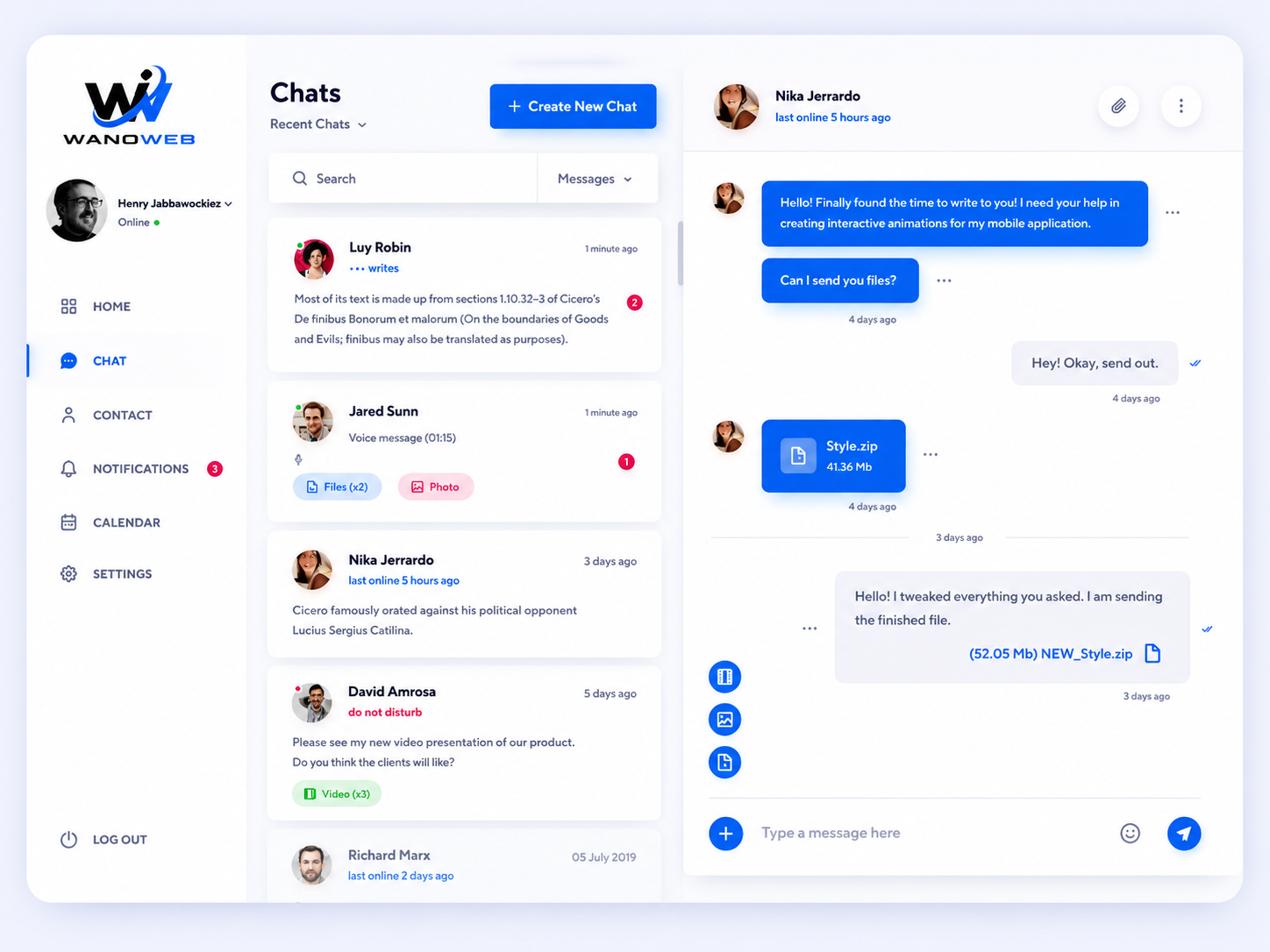
An AI-powered chatbot flips that dynamic. Instead of a form waiting passively to be filled out, it actively engages visitors the moment they land — asking a few natural questions, understanding what they’re looking for, and guiding them toward a next step in real time.
The results show up directly in the data. Chatbot-driven conversations are consistently converting at multiple times the rate of static forms, with some industries seeing four times the conversion rate of a form-only approach. Businesses that adopt conversational lead capture are also reporting significantly higher lead quality, not just higher volume, because the chatbot can qualify a visitor’s needs before they ever reach your sales team.
It’s Not Just About Sales — It’s About Support Too
The lead-generation side gets most of the attention, but AI chatbots are just as valuable for customer support. A well-implemented chatbot can handle the majority of routine inquiries — order status, business hours, common questions — without a human needing to respond to each one individually, while instantly escalating anything complex to a real person.
That combination — automated for the routine, human for the important — is what most businesses actually want in 2026: faster answers for visitors, and less repetitive manual work for your team.
What a Good AI Chatbot Actually Looks Like
Not all chatbots are created equal. Here’s what separates a genuinely useful one from an annoying pop-up:
It asks smart, natural questions — not a rigid script, but a conversation that adapts based on what the visitor says.
It knows when to hand off to a human — for complex, high-value, or sensitive conversations, a good chatbot recognizes its limits and routes the visitor to a real person instead of trapping them in a loop.
It’s connected to your CRM — every qualified lead should flow directly into your existing sales pipeline, not sit in a separate inbox someone has to check manually.
It remembers context — a returning visitor shouldn’t have to re-explain what they were asking about last time.
It matches your brand voice — a chatbot that sounds like a generic script undermines the trust it’s supposed to build.
Common Concerns (And Why They’re Usually Overblown)
“Won’t it feel impersonal?” Done well, a chatbot feels more responsive than a static form, not less — visitors get an immediate reply instead of waiting hours or days for an email response.
“What if it gives wrong answers?” This is a real risk with a poorly built chatbot. The fix is scoping it correctly — grounding it in your actual business information and setting clear boundaries for when it should escalate to a human, rather than letting it guess.
“Is this expensive to set up?” Modern chatbot implementations are considerably more affordable and faster to deploy than they were even a couple of years ago, and most businesses see the investment pay back within the first few months through improved lead capture alone.
How to Get Started
- Identify where visitors are dropping off — usually your contact page, pricing page, or product pages are the highest-value places to add a chatbot first
- Define what “qualified” means for your business — so the chatbot knows what questions actually matter
- Connect it to your existing tools — CRM, email, or scheduling software, so leads flow directly into your workflow
- Start narrow, then expand — a chatbot focused on one or two key use cases (lead capture, FAQs) outperforms one trying to do everything at once from day one
The Bottom Line
A website without a way to actually engage visitors in real time is, functionally, still a digital brochure — no matter how well it’s designed or how well it ranks. In 2026, adding a well-built AI chatbot is one of the highest-leverage upgrades a business can make to turn existing traffic into actual leads, without needing to spend more on ads to get there.
Curious what this would look like on your site? Wanoweb builds custom AI chatbot solutions designed around your actual business — connected to your CRM, trained on your services, and built to know exactly when to hand off to your team.


